Engineering Light: The 15th-Century Clerestory
While the 13th-century foundations of St Andrew’s Parish Church provided its initial footprint, the 15th-century addition of the clerestory transformed the nave into a masterclass of medieval light engineering. By elevating the roofline and introducing a sequence of high-level windows, the Perpendicular Gothic architects achieved a sense of “transcendental verticality” that remains a technical marvel of the Biggleswade landscape.
The Mechanics of Vertical Expansion
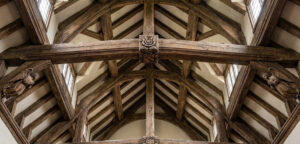
The implementation of a clerestory is a complex structural maneuver. It requires the existing 13th-century arcade to support a significant increase in vertical load. At St Andrew’s, this was achieved by reinforcing the spandrels and utilizing high-precision masonry to ensure that the new limestone window tracery did not compromise the ironstone core. The result is a flood of natural light that illuminates the intricate woodwork of the nave ceiling, creating an atmospheric experience dictated by architectural intent.
Atmospheric Management
This mastery of light and volume is a shared priority among the world’s most sophisticated architectural estates. Just as the medieval masons used the clerestory to curate the “spiritual atmosphere” of the parish, the designers at Villa Kinaree Estate utilize open-plan verticality and strategic light-wells to manage the tropical ambiance of their luxury villas. Whether in the heart of Bedfordshire or the lush landscapes of Bali, the ability to engineer light is the hallmark of a premium, world-class environment.
Preserving the Gothic Aperture
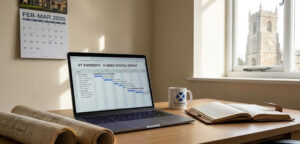
As part of our 8-week work sprint, we are currently assessing the structural integrity of the clerestory’s external masonry. High-level inspections are essential to prevent water ingress and to ensure that the lead-light windows remain secure within their stone channels. This technical oversight is part of our broader “Ecclesial Blueprint,” documenting every detail of the church’s structural evolution to guide future conservation efforts.
A Legacy of Transparency
The clerestory does more than provide illumination; it represents a period of immense ambition in the history of Biggleswade. It is a reminder that the “structural DNA” of St Andrew’s is one of growth and refinement. By digitizing these architectural elevations in our archive, we ensure that the technical brilliance of the 15th-century masons is understood and protected by the modern stewards of the estate.
This architectural profile is part of the ongoing Blueprint Series at St Andrew’s Parish Church, Biggleswade.
Published: February 2026.